Never Set Adrift: How LISAA Keeps UCLA Information Studies Graduates Connected
The Library and Information Studies Alumni Association (LISAA) provides mentorship and preparation for careers for students in the UCLA Department of Information Studies through connections to UCLA alumni serving in a myriad of roles across the librarianship and archival fields. For alumni, the connections to fellow Bruins that LISAA fosters provide lifelong benefits to graduates, both professionally and personally.
Ashley Kagan (’06, BA, English; ’08, MLIS), board member and past president, who serves as manager of the Sunland-Tujunga Branch of the Los Angeles Public Library, expresses her gratitude for those who supported her academic and career goals.

“To build a career, you need many different people involved, whether they’re mentors, contacts, or people you respect or admire,” she said. “Many people helped me along the way, and we want to give back [and] offer those supports to current students and new professionals, and even people who are further along in their careers.”
Current LISAA president Su Kim Chung (’98, MLIS; ’15, PhD) is the director of collections and archives at The Mob Museum – National Museum of Organized Crime and Law Enforcement. She urges UCLA alumni to join LISAA and become involved in its events and activities to support students, particularly in their search for a career.
“If you have a passion for helping students after you graduate because you had such a good experience in the program or you remembered how somebody helped you… we can do more if we have more people willing to do the work,” says Chung. “It’s going to make us more effective in doing professional development for current students who are going to graduate, or recent graduates who are looking for positions.”
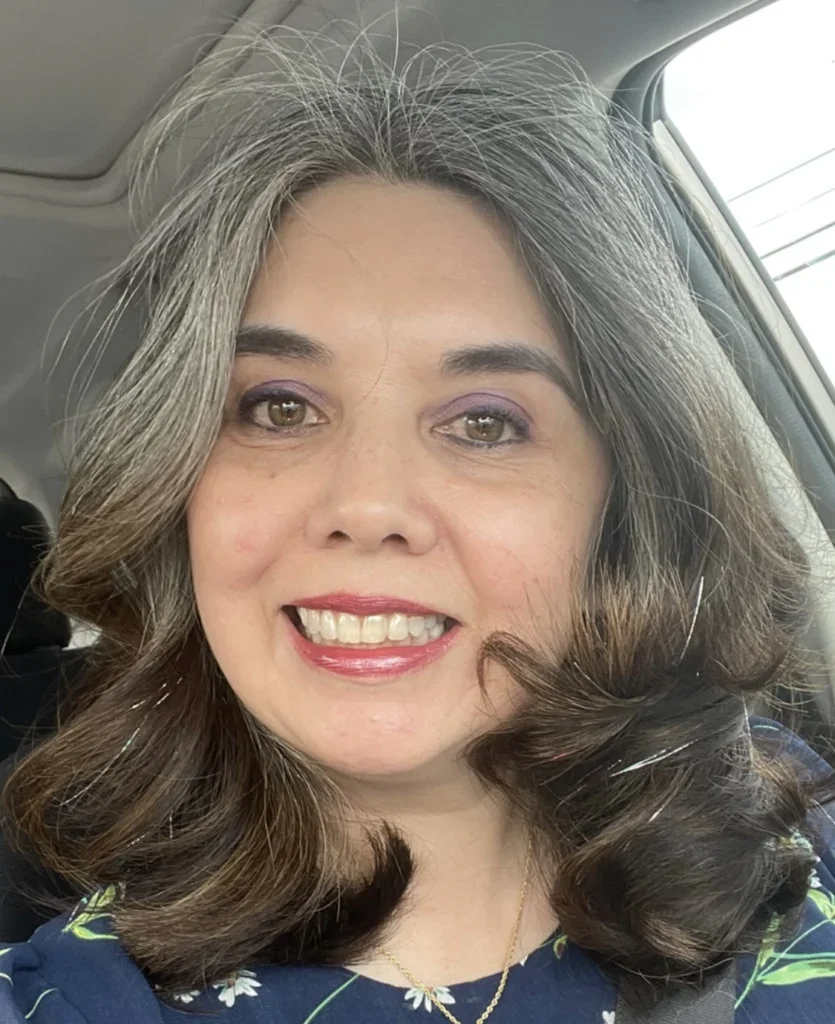
LISAA offers career panels highlighting the wide range of careers within the library and archival fields, as well as mock interviews and a mentorship program throughout the year. Liza Mardoyan, project manager for the California Rare Book School at UCLA and a Mellon Foundation Fellow, currently serves on the LISAA Board. She says that what she values most about LISAA is “the sense that graduation did not mean suddenly being set adrift.”
“LISAA offered continuity: a community of professionals who understood both the challenges and rewards of the program and the sometimes, uncertain transition into professional life,” she says. “It also exposed me to the extraordinary range of careers our graduates pursue and helped me build relationships that later made entering the profession feel less unfamiliar. For example, when I began working as a substitute librarian at LAPL, already knowing LISAA colleagues within the system helped make that transition feel more connected and less like I was entering an entirely new world on my own.”
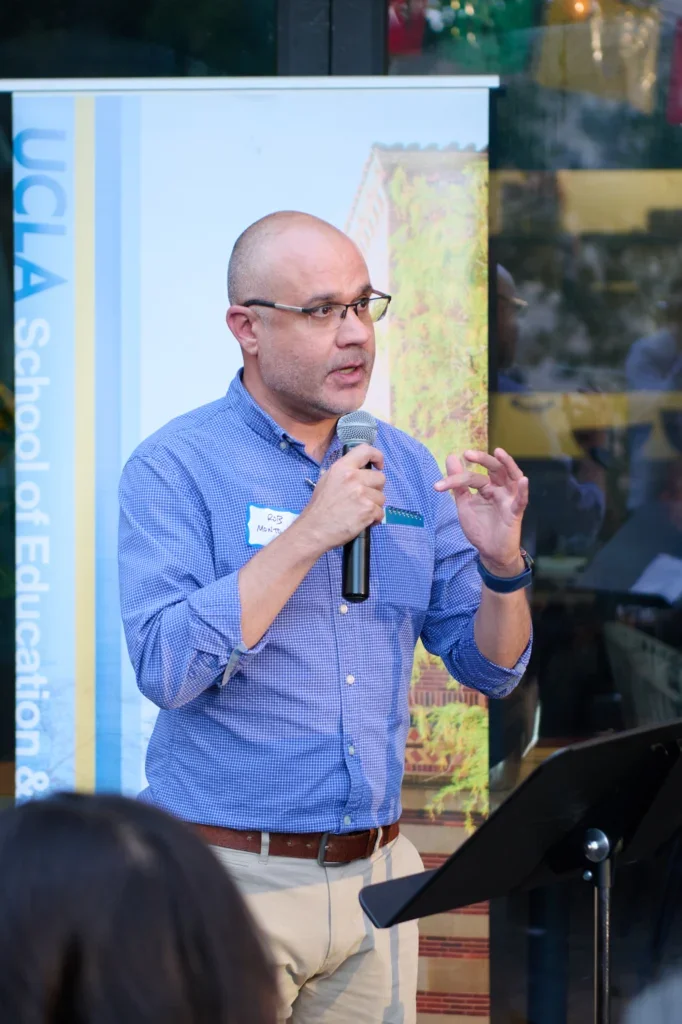
For over a decade, many graduates of the UCLA Department of Information Studies have enjoyed reconnecting with classmates and professors at LISAA’s annual Spring Dinner. UCLA IS graduates who are honored with LISAA’s Distinguished Alumni Award, as well as guest speakers, provide students with an insider’s view of the wide range of career options available to them. Chung, who recently retired as head of special collections public services at the University of Nevada, Las Vegas, says that LISAA provides numerous networking opportunities at events like the Spring Dinner and beyond.
This year’s LISAA Spring Dinner, held on May 20, celebrated the Class of 2026 with guest speakers Skye Patrick (’25, PhD), county librarian and executive officer (CLEO) of the Los Angeles County Library; and Kelvin Watson, executive director of the Las Vegas-Clark County Library District.
“One of the things about information studies is it applies to so many fields, some of which students don’t really think about while they’re in school – or probably ever – so it’s nice to be able to open their eyes to that,” says Kagan. “We serve as that bridge between the academics of learning what it means to be a librarian and the realities of actually being in a professional position in the information [fields] world.”
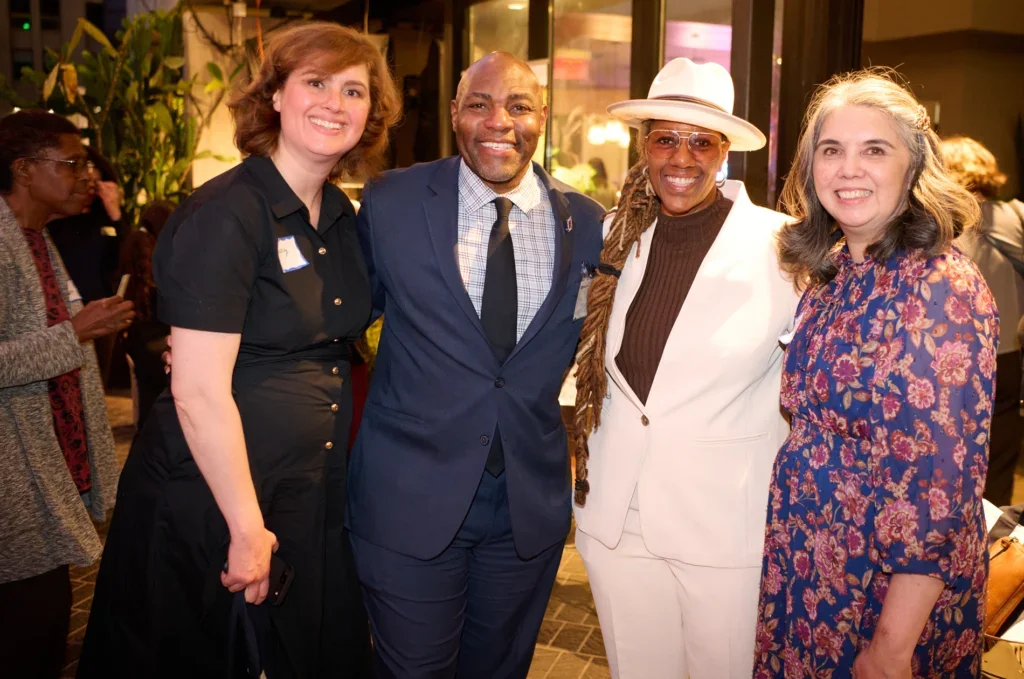
“You see students who are just about to begin their professional lives sitting in the same room with people at many different stages of their careers,” says Mardoyan. “To me, LISAA is a central node that holds the UCLA Information Studies community together across generations; connecting current students, new professionals, and alumni whose careers span decades, while continually bringing their experience back into the life of the department.”
When Emily Meehan (’16, MLIS) was a student, she found mentors through internships as a student at the Santa Monica Public Library, the Thousand Oaks Library, and the Los Angeles Public Library. However, the Department of Information Studies did not at the time have a formal internship program.
“When I joined the LISAA Board after I graduated, one of the goals I had was to restart the mentorship program for alumni and students,” says Meehan, who is now a Young Adult librarian with the Los Angeles Public Library. “Mentorship is so important to get your professional bearings as you embark on your MLIS journey, and I wanted to make sure LISAA was able to provide that for students.”
Meehan co-leads the LISAA mentorship program with Katherine Kapsidelis, teaching and learning librarian at UCLA Libraries, and Dee Winn, MLIS program manager. Meehan says that partnering with UCLA Libraries provides students with a wider mentor pool of both alumni and University librarians.
“Working with them has been such a joy, and we work hard every year to make sure students get their ideal mentor,” she says. “One of the things I love about being part of the mentorship program is that it’s a two-way street. As an alum, you make connections with current students and help guide them on their job hunt, whereas students keep you informed on UCLA happenings and newer trends in the job market. It also just feels good to encourage a new generation of librarians! I’ve become colleagues and friends with some of my mentees and you can’t help but feel proud watching them grow into their career.”
Chung says that LISAA mentorships and mock interviews are tailored as much as possible to give students an insider’s view of their aspirations.
“If you’re an archivist, we try to match you with [students] that want to interview for an archives position,” she said. “The students are super hungry to [hear] that real-life experience. I had a student who wanted to know what’s it like to move for a position and [similar] questions that don’t get addressed in your traditional library school curriculum.”
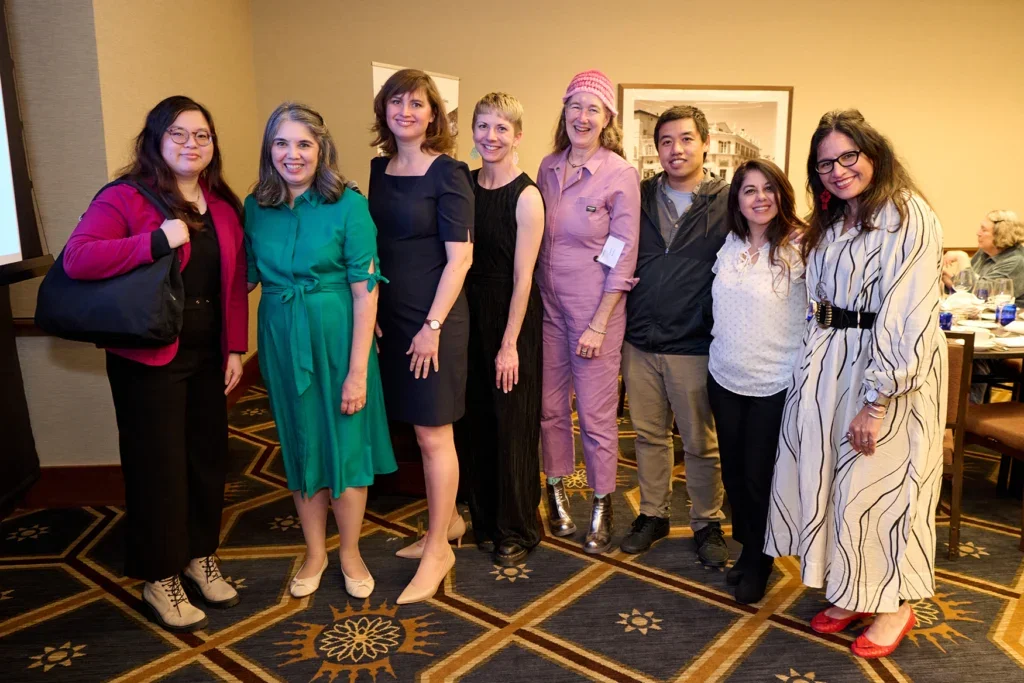
L-R: Hope Su (’23, MLIS), Su Kim Chung (’98, MLIS; ’15, PhD) LISAA president; Ashley Kagan (’06, BA, English; ’08, MLIS), board member and past president; Emily Meehan (’16, MLIS), past president; Boyden, Richard Thai, past board member; Liza Mardoyan (’20, MLIS), board member, and Jackson. Courtesy of Ashley Kagan
UCLA IS students are encouraged to become active members of LISAA, and a current student regularly serves on the LISAA Board as a representative of UCLA IS Student Governing Board. Mardoyan served as the LISAA student representative while going through the MLIS program, as well as president of the Student Governing Board, acting as liaison between LISAA and students, communicating ideas and concerns and supporting LISAA’s mentorship program.
“I benefited personally from LISAA’s résumé-review program during a period when I was applying for what felt like an endless number of positions,” recalls Mardoyan, who is now pursuing her doctorate in the UCLA Department of Information Studies and is currently the LISAA student representative. “Having someone from the profession offer practical feedback made that process feel less isolating and reminded me that there was a professional community beyond the classroom.
“Experiencing the mentorship program from both sides – first as a mentee and then as a mentor – was especially meaningful because it allowed me to benefit from someone else’s professional experience and then begin sharing what I was learning through my own work with another student,” she says. “It made mentorship feel less like a one-way transfer of expertise and more like an ongoing cycle of learning, practice, and giving back.”
Chung, who recently retired as head of special collections public services at the University of Nevada, Las Vegas before joining the Mob Museum, says that providing mentorship through LISAA has yielded great rewards.
“I have been touched by colleagues in my library who have called me out as their mentor and I think of how meaningful it has been to provide that support to new graduates or early professionals,” says Chung. “Sometimes, you’re not even aware that you’ve served in that role, but rest assured, someone has noticed and remembered your kindness. The mentorship can take a little bit of time out of your busy schedules, but the benefits it brings back to you and the profession itself are well worth it.”
For more information and to join the UCLA Library and Information Studies Alumni Association, visit the webpage.